
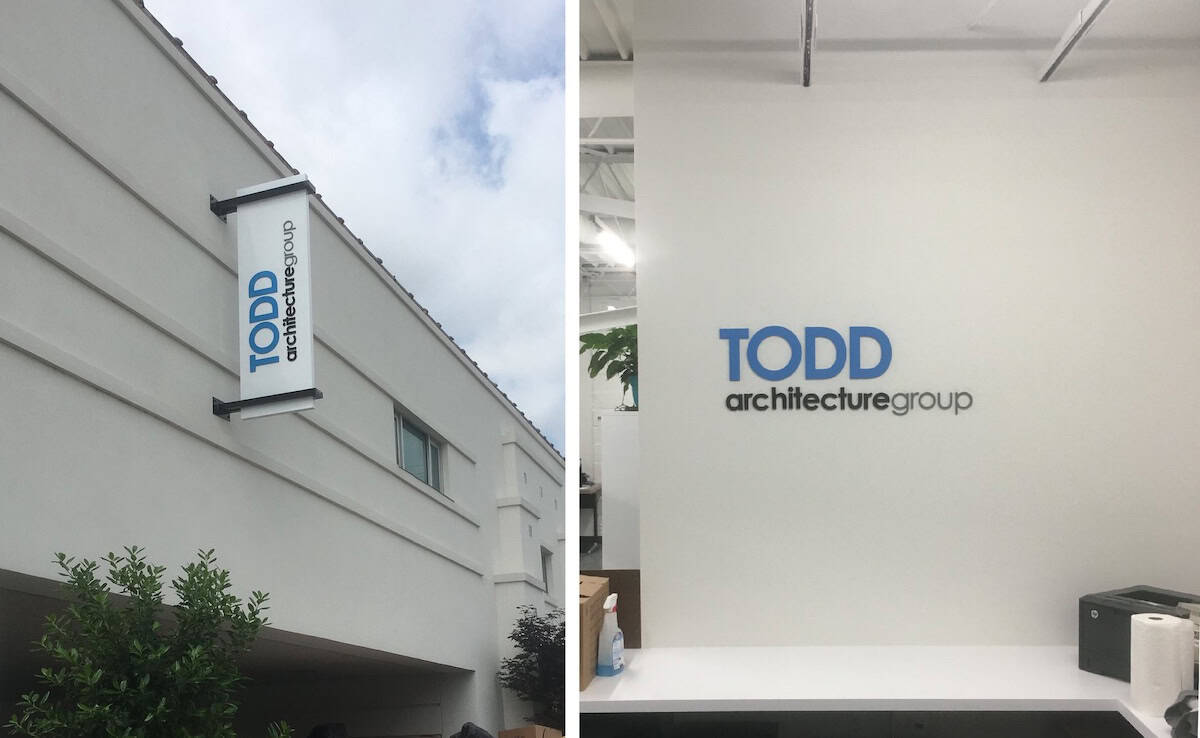
26 May Indoor vs. Outdoor Signage: What Your Business Needs to Succeed
Signage is one of the most important investments a business can make. It shapes first impressions, guides customer behavior, reinforces branding, and improves the overall customer experience. But when planning a signage strategy, many business owners focus heavily on exterior signs while overlooking the equally important role of interior signage—or vice versa.
The truth is that successful businesses need both indoor and outdoor signage working together. Exterior signs attract attention and bring customers through the door, while interior signs help create a seamless, welcoming, and organized experience once customers enter.
When both are strategically designed and aligned with your brand, signage becomes one of your most effective marketing and communication tools. In this guide, we’ll explore the differences between indoor and outdoor signage, the unique purpose each serves, and how to determine what your business needs to succeed.
Why Signage Matters More Than Ever
Customers make decisions quickly. Before they interact with your employees, products, or services, they’re already forming opinions based on what they see.
Your signage influences:
- Brand perception
- Customer trust
- Navigation and comfort
- Purchasing decisions
- Overall customer experience
Strong signage communicates professionalism, confidence, and clarity. Weak signage can create confusion, reduce visibility, and even discourage potential customers from entering your business. Both indoor and outdoor signs play critical—but different—roles in that process.
What Is Outdoor Signage?
Outdoor signage refers to any sign placed outside your business or visible from the exterior. These signs are designed to attract attention, identify your location, and create visibility from a distance.
Common types of outdoor signage include:
- Channel letters
- Monument signs
- Pylon signs
- Blade signs
- Awning signs
- Window graphics
- LED message centers
- Directional parking signs
Outdoor signs are often the very first interaction customers have with your brand.
The Purpose of Outdoor Signage
Outdoor signage is primarily designed to:
- Increase visibility
- Drive foot traffic
- Build brand recognition
- Capture attention quickly
- Help customers locate your business
A strong exterior sign acts as a 24/7 advertisement. Even when your business is closed, your signage continues working by reinforcing your brand presence to everyone passing by. For businesses located on busy roads or in crowded shopping areas, outdoor signage is especially important because it helps distinguish your business from competitors nearby.

What Makes Outdoor Signage Effective?
Several factors determine whether exterior signage performs well.
Visibility
Outdoor signs must be visible from appropriate distances and angles. Drivers and pedestrians need enough time to process your message and react safely.
This means considering:
- Letter size
- Placement height
- Viewing angles
- Traffic speed
- Lighting conditions
Durability
Unlike interior signs, outdoor signage must withstand:
- Rain
- Wind
- UV exposure
- Heat and cold
- Humidity and debris
Materials like aluminum, acrylic, weather-resistant vinyl, and LED lighting help ensure longevity.
Illumination
Lighting is critical for nighttime visibility and cloudy weather conditions. Popular illuminated signage options include:
- Front-lit channel letters
- Halo-lit signs
- LED cabinet signs
- Digital displays
A well-lit sign keeps your business visible long after the sun goes down.
What Is Indoor Signage?
Indoor signage includes all signs located inside your business. These signs help customers navigate, learn, engage, and feel comfortable within your space.
Examples of indoor signage include:
- Lobby signs
- Wayfinding signs
- Wall graphics
- ADA-compliant signs
- Menu boards
- Promotional displays
- Department identifiers
- Digital displays
While outdoor signs bring customers in, interior signage shapes what happens next.
The Purpose of Indoor Signage
Indoor signage focuses on customer experience and operational efficiency.
Its goals include:
- Helping customers navigate
- Reinforcing branding
- Providing information
- Promoting products or services
- Improving organization and flow
When customers can easily understand where to go and what to do, they feel more confident and relaxed. That positive experience directly impacts customer satisfaction and trust.
How Indoor Signage Improves Customer Experience
Good interior signage creates a space that feels intuitive and welcoming.
Wayfinding and Navigation
Directional signs reduce confusion and help visitors move comfortably through your business. This is especially important in:
- Medical facilities
- Office buildings
- Retail stores
- Schools
- Hotels
Clear navigation reduces frustration and minimizes the need for staff assistance.
Branding and Atmosphere
Interior signage reinforces your brand identity through:
- Colors
- Typography
- Materials
- Messaging
- Graphics
A cohesive interior environment creates a more memorable and professional customer experience.
Promotional Opportunities
Indoor signs can also influence purchasing decisions by highlighting:
- Specials
- Seasonal offers
- New products
- Upsells
Strategically placed promotional signage encourages customers to engage more deeply with your business

Key Differences Between Indoor and Outdoor Signage
Although both serve important purposes, indoor and outdoor signs differ significantly in design priorities.
| Outdoor Signage | Indoor Signage |
|---|---|
| Focuses on visibility | Focuses on experience |
| Designed for long-distance viewing | Designed for close-range readability |
| Must withstand weather | Protected from environmental exposure |
| Often illuminated | May prioritize aesthetics over lighting |
| Attracts customers | Guides and informs customers |
Understanding these differences helps businesses choose the right materials, sizes, and designs for each environment.
Why Businesses Need Both Types of Signage
Some businesses invest heavily in exterior signs but neglect interior signage. Others create beautiful indoor environments without prioritizing visibility outside. Both approaches create gaps in the customer journey.
Imagine:
- A customer notices your impressive outdoor sign but becomes confused once inside due to poor wayfinding.
- Or your interior branding looks polished, but weak exterior signage prevents customers from finding you in the first place.
The most successful businesses create continuity between indoor and outdoor signage.
Together, they:
- Build stronger brand recognition
- Improve customer confidence
- Increase professionalism
- Support smoother customer experiences
- Encourage repeat visits
Signage works best when it functions as a complete system—not isolated pieces.
Creating a Cohesive Signage Strategy
A strong signage strategy connects indoor and outdoor signs through consistent branding and messaging.
Maintain Visual Consistency
Use consistent:
- Colors
- Fonts
- Logos
- Design styles
This helps customers instantly recognize your brand at every touchpoint.
Consider Customer Flow
Think about the full customer journey:
- Seeing your business from the road
- Entering the building
- Navigating the space
- Finding products or services
- Completing a purchase
Your signage should support each step seamlessly.
Prioritize Readability
Both interior and exterior signs should communicate clearly and quickly. Avoid:
- Overly complicated graphics
- Crowded text
- Low contrast colors
- Hard-to-read fonts
Simplicity improves effectiveness.
Choosing the Right Signage for Your Business
The right mix of indoor and outdoor signage depends on several factors:
Your Business Type
Retail stores, restaurants, healthcare facilities, offices, and entertainment venues all have different signage needs.
Your Location
Busy roads may require large illuminated signs, while walkable districts may benefit more from blade signs and window graphics.
Your Customer Experience Goals
If navigation is complex, interior wayfinding becomes especially important. If visibility is limited, exterior illumination may need priority.
Your Branding
Your signage should reflect your business personality—whether modern, upscale, playful, or community-focused.
Common Signage Mistakes to Avoid
Businesses often run into problems when they:
- Focus only on aesthetics instead of functionality
- Use inconsistent branding between indoor and outdoor signs
- Neglect lighting and visibility
- Overcrowd signs with too much information
- Ignore maintenance and repairs
Regular maintenance and thoughtful planning help ensure signage continues performing effectively over time.
The Long-Term Value of Professional Signage
High-quality signage is not just an expense—it’s a long-term investment in your business visibility and reputation. Professional signage:
- Improves customer trust
- Strengthens recognition
- Enhances navigation
- Supports marketing efforts
- Increases perceived professionalism
When designed strategically, signage continues delivering value every day for years.
Ready to Strengthen Your Signage Strategy? We Can Help!
Indoor and outdoor signage each play a vital role in your business success. Exterior signs help customers find and recognize your business, while interior signs create the smooth, professional experience that keeps them engaged once they walk through the door. When both work together, they create a stronger brand presence and a better customer journey from start to finish.
At Acura Neon, we specialize in custom indoor and outdoor signage solutions designed to help businesses stand out and succeed. Whether you need illuminated exterior signs, branded interior graphics, ADA-compliant signage, or a complete signage strategy, our team is here to help bring your vision to life. Contact our team today to get started!
Frequently Asked Questions
What is the difference between indoor and outdoor signage?
Outdoor signage is designed to attract attention, build visibility from a distance, and withstand weather conditions, while indoor signage focuses on guiding customers, reinforcing branding, and improving the in-store experience. Both serve different purposes but work best when used together.
Do I really need both indoor and outdoor signs for my business?
Yes, businesses benefit most when both are used together because outdoor signs draw customers in, and indoor signs help them navigate, engage, and feel comfortable once inside. Using only one creates gaps in the overall customer journey.
What materials are best for outdoor signs?
Outdoor signs typically require weather-resistant materials like aluminum, acrylic, durable vinyl, and LED lighting to handle rain, UV exposure, wind, and temperature changes. These materials ensure the sign stays clear and intact for years.
How big should my outdoor sign be?
The ideal size depends on viewing distance, traffic speed, placement height, and visibility angles, since drivers and pedestrians need enough time to read the message. A general rule is that letters should be at least 1 inch tall for every 10 feet of viewing distance.
Why is ADA-compliant signage important inside a business?
ADA-compliant signs ensure that all customers, including those with visual impairments, can navigate your space safely and independently through features like braille, tactile letters, and proper contrast. They are also required by law in many public and commercial spaces in the U.S.

Sorry, the comment form is closed at this time.