
24 Aug Choosing the Best Materials for Long-Lasting Outdoor Business Signs
Your outdoor business sign has an important job. It needs to attract attention, communicate your brand, help customers find you, and make a strong first impression—all while standing up to sun, rain, wind, heat, and changing temperatures. Choosing the right sign material is one of the most important decisions you can make when investing in exterior business signage.
A sign may look great when it is first installed, but the real test is how it performs years later. Materials that are poorly suited for outdoor conditions can fade, crack, warp, corrode, or lose their professional appearance. On the other hand, high-quality materials can help your signage maintain its appearance, durability, and visibility for years.
So, what are the best materials for outdoor business signs? The answer depends on your location, budget, branding, sign type, and environmental conditions. In this guide, we’ll explore some of the most popular outdoor signage materials and what to consider when choosing the right option for your business.
Why Sign Material Matters
Outdoor signage is exposed to conditions that interior signs simply don’t have to handle. Direct sunlight, moisture, temperature fluctuations, wind, and airborne debris can all affect a sign over time.
The right material can help your sign:
- Resist weather-related damage
- Maintain its color and finish
- Prevent warping or cracking
- Support long-term structural integrity
- Preserve readability and visibility
- Reduce maintenance and replacement costs
Choosing durable materials isn’t just about making your sign last longer. It is also about protecting your investment and ensuring your business continues to look professional.
Aluminum: A Versatile Outdoor Sign Material
Aluminum is one of the most popular materials for outdoor business signage, and for good reason. It is lightweight, durable, and naturally resistant to rust and corrosion.
Aluminum can be used for a wide range of applications, including building signs, directional signs, parking signs, panels, and custom exterior signage. It can also be painted, coated, or combined with other materials to achieve different looks.
One of aluminum’s biggest advantages is its ability to withstand outdoor exposure without requiring extensive maintenance. It is particularly useful for businesses looking for a durable material that offers a clean, professional appearance.
For businesses in areas with frequent rain or humidity, aluminum can be an especially practical choice.
Acrylic: Great for Color and Visual Appeal
Acrylic is another popular choice for custom business signage. It is available in a wide range of colors, finishes, and thicknesses, making it highly versatile for branding and creative sign designs.
Acrylic can be used for:
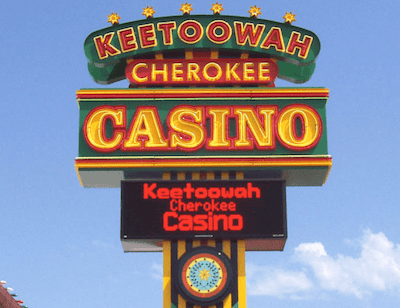
- Illuminated signs
- Channel letters
- Dimensional lettering
- Logo panels
- Exterior displays
One advantage of acrylic is its polished, modern appearance. It can provide a clean look that works well for professional offices, retail businesses, restaurants, and other commercial spaces.
Vinyl: Flexible and Cost-Effective
Outdoor-grade vinyl is frequently used for graphics, lettering, window signage, vehicle graphics, and temporary or promotional signage.
Its flexibility makes it an excellent option for applying branding or messaging to existing surfaces. High-quality exterior vinyl can also be produced with finishes and adhesives designed to withstand outdoor exposure.
However, not all vinyl products are created for the same applications. Outdoor signage requires materials specifically designed to withstand UV exposure, moisture, and changing temperatures.
For businesses that frequently update promotions or branding, vinyl can offer a practical way to refresh signage without replacing an entire sign structure.
Steel: Strength for Larger Sign Structures
When structural strength is a priority, steel may be the right choice. Steel is commonly used for sign supports, frames, poles, and other structural components that need to withstand significant environmental forces.
Its strength makes it particularly valuable for larger signs and freestanding structures. However, steel must be properly treated and finished to protect it from corrosion.
Galvanized steel and appropriate protective coatings can help extend its outdoor lifespan. Proper engineering and installation are also essential, especially for large signs exposed to high winds.
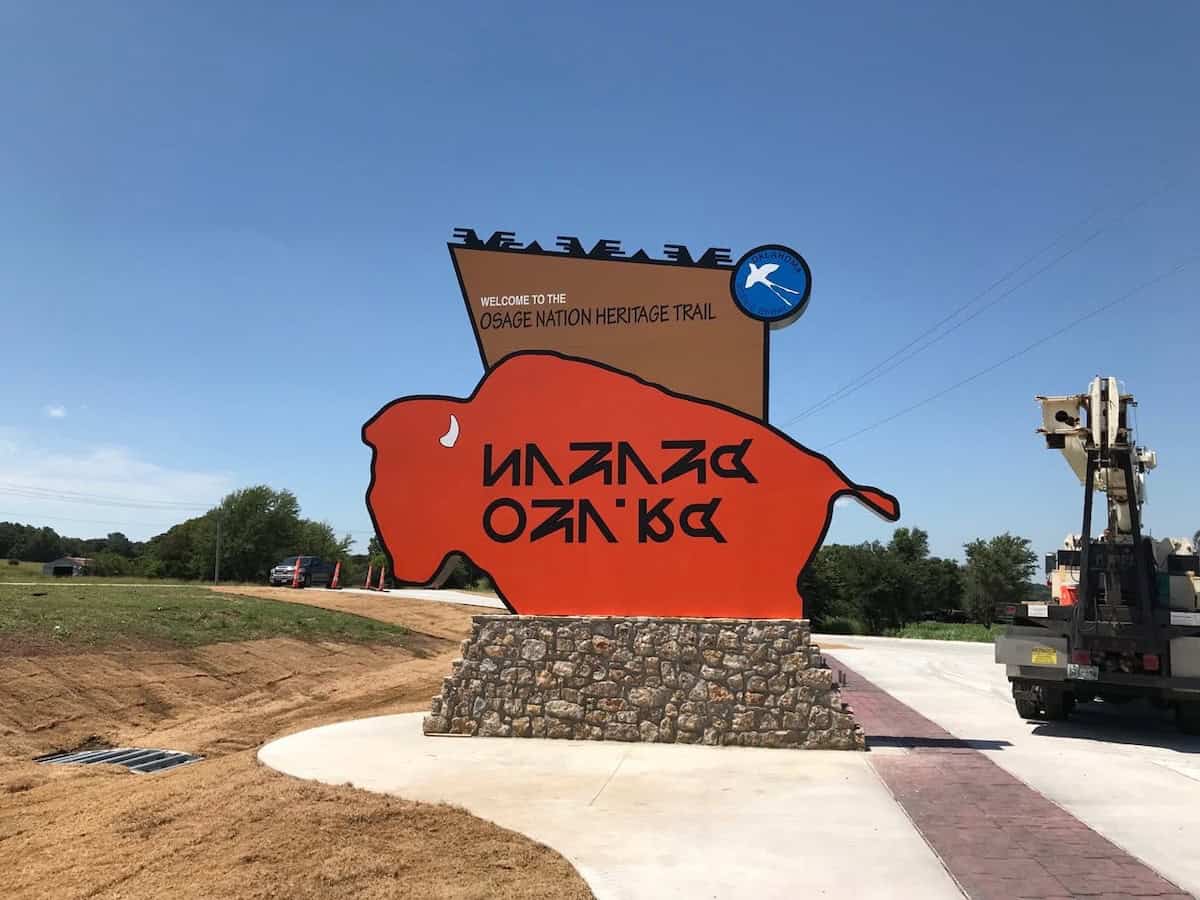
Masonry and Stone for Monument Signs
For businesses looking for a permanent, architectural appearance, masonry and stone are popular choices for monument signage.
These materials can create a substantial, high-end appearance and can complement the architecture and landscaping surrounding a business.
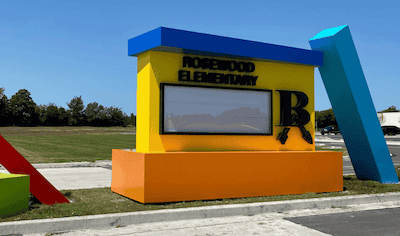
Stone, brick, and concrete are particularly common for:
- Office parks
- Medical facilities
- Schools
- Churches
- Corporate campuses
- Residential communities
Because NIST corrosion program are installed at ground level, these materials can also help create a welcoming entrance while reinforcing the permanence of the business.
Choosing Materials Based on Your Environment
Your local climate should play a major role in choosing outdoor sign materials.
Consider how your signage will handle:
Sun Exposure
UV rays can cause certain materials and graphics to fade over time. If your sign receives direct sunlight throughout the day, UV-resistant materials, coatings, and graphics can help maintain its appearance.
Rain and Humidity
Moisture can cause corrosion, staining, warping, and electrical problems if materials aren’t properly selected and installed.
Heat
Extreme temperatures can affect certain plastics, adhesives, finishes, and other components. Materials designed for outdoor use are better equipped to handle these conditions.
Wind
Large exterior signs and freestanding structures must be designed to withstand local wind conditions. Structural materials, mounting systems, and foundations all matter.
Temperature Changes
Repeated expansion and contraction caused by temperature changes can place stress on certain materials and connections. Proper fabrication helps reduce the risk of premature damage.
Don’t Forget About Sign Lighting
The materials used for your sign are only part of the equation. If your business sign is illuminated, the lighting components also need to be appropriate for outdoor conditions.
LED lighting is a popular choice because it offers bright illumination, energy efficiency, and a long service life. It can be incorporated into channel letters, cabinet signs, monument signs, and other illuminated signage.
Properly designed lighting can also extend the visibility of your business into the evening, making your sign work longer each day.
Consider Maintenance Before Choosing a Material
A material that looks great on installation day isn’t necessarily the best long-term choice if it requires more maintenance than your business can reasonably provide.
Before choosing a material, consider:
- How often it will need cleaning
- How easily it can be repaired
- Whether replacement components are readily available
- How well it handles local weather
- How long you expect the sign to remain in place
A slightly higher upfront investment in durable materials may save money over time by reducing repairs and premature replacement.
Balancing Durability, Appearance, and Budget
The best outdoor sign material isn’t necessarily the most expensive option. The goal is to find the right balance between durability, appearance, functionality, and cost. Even outside the sign industry, university material guides reach the same conclusion: substrate choice comes down to location, lifespan, and budget before anything else.
For example, a small temporary promotional sign may not require the same materials as a permanent monument sign. Similarly, a building-mounted sign in a protected location may have different material requirements than a freestanding sign exposed to wind from every direction.
Think about the lifespan you expect from your signage and choose materials accordingly.
| Material | Best For | Typical Lifespan |
|---|---|---|
| Aluminum | Panel signs, cabinets, monument faces | 15-20+ years |
| Acrylic | Illuminated faces, dimensional letters | 10-15 years |
| Vinyl | Banners, window graphics, decals | 3-7 years |
| Steel | Structural posts, large monument frames | 20-30+ years |
| Masonry/Stone | Monument signs, permanent entry features | 30+ years |
Why Professional Material Selection Matters
Choosing the right materials can be complicated, particularly when your sign includes multiple components. A professional signage company can evaluate your location, design, branding, budget, and environmental conditions to recommend appropriate materials.
Professional guidance can also help ensure your sign is properly fabricated and installed. Even high-quality materials can fail prematurely if they are improperly mounted, sealed, illuminated, or maintained.
The goal is a sign that not only looks good when it is installed but continues performing for years to come.
Invest in Signage Built to Last With Acura Neon
Your outdoor business sign is a long-term investment in your visibility and brand reputation. Choosing durable, weather-resistant materials helps ensure that investment continues working for your business through changing seasons and challenging outdoor conditions.
From aluminum and acrylic to vinyl, steel, composite materials, and architectural finishes, the right choice depends on your location, design, budget, and long-term goals.
At Acura Neon, we can help you select the right materials and create custom outdoor signage designed for lasting performance. From design and fabrication to installation and maintenance, our team can help you develop signage that looks professional, stands up to the elements, and keeps your business visible for years to come.
Frequently Asked Questions
What is the best material for outdoor business signs?
There is no single best material for every situation; the right choice depends on your sign type, budget, and local climate. Aluminum is the most versatile all-around option because it resists rust and corrosion while staying lightweight, and acrylic, vinyl, steel, and masonry each serve specific sign types better. A professional signage company can match the material to your design, structure, and environment.
What are the best materials for outdoor signage?
Aluminum, acrylic, outdoor-grade vinyl, steel, and masonry are the materials most commonly used for durable outdoor business signage. Aluminum is prized for its rust resistance and light weight, acrylic offers a polished look for illuminated signs, vinyl works well for graphics and lettering, and steel and masonry provide structural strength for larger signs and monument bases.
What is the best waterproof material for outdoor signs?
Aluminum and acrylic are both excellent waterproof options because neither absorbs moisture nor corrodes when properly sealed and installed. Outdoor-grade vinyl is also water-resistant when it is designed specifically for exterior use, though not all vinyl products are rated for long-term outdoor exposure.
Is PVC good for outdoor signs?
PVC can work well for short- to medium-term outdoor signage because it is lightweight, budget-friendly, and naturally water-resistant. Standard PVC is more vulnerable to UV fading and warping than aluminum or acrylic, though, so it typically performs best for temporary displays or shaded applications rather than permanent, long-lasting signage.
What’s better, PVC or acrylic?
Acrylic generally outperforms PVC for long-term outdoor use because it holds its color, clarity, and rigidity better under prolonged sun exposure. PVC costs less and works fine for short-term or budget-conscious signage, but if you want a sign that still looks sharp in five years, acrylic or aluminum is usually the better investment.

Sorry, the comment form is closed at this time.