

27 Apr How Sign Design Impacts Brand Recognition and Customer Trust
In today’s competitive marketplace, first impressions happen fast—and often from a distance. Before a customer clicks your website, reads a review, or speaks with your team, they’re likely forming an opinion based on your signage. The design of that sign plays a powerful role in how your brand is perceived, remembered, and trusted.
Great sign design does more than display your business name. It communicates professionalism, reinforces identity, and creates a sense of credibility that influences whether someone chooses you over a competitor. On the flip side, poor design can create confusion, weaken recognition, and even deter potential customers before they walk through the door.
In this month’s blog, we’ll explore how sign design directly impacts brand recognition and customer trust—and how you can use it to your advantage.
First Impressions Are Built in Seconds
Humans are wired to make quick judgments. Within seconds of seeing your signage, potential customers decide whether your business looks trustworthy, modern, and worth their time. Your sign answers key questions instantly:
- Is this business professional?
- Does it feel established?
- Does it align with what I’m looking for?
A clean, well-designed sign sends a clear message: you care about your brand and your customers. A cluttered, outdated, or poorly executed sign suggests the opposite.
Because these impressions happen so quickly, your signage must communicate clearly and confidently at a glance.
Consistency Builds Recognition
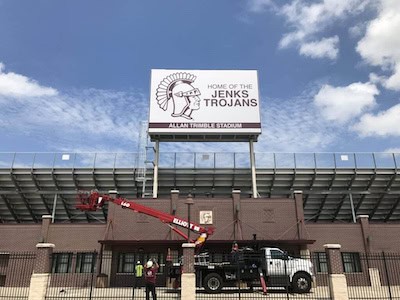
Brand recognition doesn’t happen by accident—it’s built through repetition and consistency. Your signage should align seamlessly with your overall branding, including your logo, colors, fonts, and tone.
When customers see consistent visuals across your storefront, website, marketing materials, and social media, it strengthens familiarity. And familiarity builds trust. Key elements to keep consistent include:
- Color palette: Stick to your brand’s primary and secondary colors
- Typography: Use the same or similar fonts across all touchpoints
- Logo presentation: Maintain clear, readable versions of your logo
- Design style: Whether modern, classic, or playful, your style should feel unified
When your signage matches your brand identity, it reinforces recognition every time someone passes by your business.
Clarity and Simplicity Improve Recall
One of the biggest mistakes in sign design is trying to say too much. Overcrowded signs with too many words, colors, or graphics can overwhelm viewers and reduce effectiveness. Simple designs are easier to read, process, and remember. Effective signage typically:
- Uses minimal text
- Focuses on the business name or core message
- Features strong contrast between text and background
- Avoids unnecessary visual clutter
Think of your sign as a quick introduction—not a full explanation. The goal is to make your business identifiable in seconds, not to communicate every detail about what you offer. The easier it is to understand your sign, the more likely customers are to remember it later.
Color Psychology Influences Perception
Color is one of the most powerful tools in sign design. Different colors evoke different emotions and associations, which can influence how customers perceive your brand.
For example:
- Blue often conveys trust, reliability, and professionalism
- Red creates urgency, excitement, and energy
- Green suggests growth, health, and sustainability
- Black communicates sophistication and authority
- Yellow attracts attention and conveys optimism
Choosing the right color palette helps align your signage with your brand personality and the emotions you want to evoke. Equally important is contrast. Even the most thoughtfully chosen colors won’t be effective if they’re difficult to read. High contrast ensures your message remains clear in all lighting conditions.
Typography Shapes Brand Personality
Fonts do more than display words—they communicate tone and personality. A sleek, modern font might suggest innovation and efficiency, while a serif font may convey tradition and reliability. Script fonts can feel elegant but may sacrifice readability if overused. When selecting typography for signage:
- Prioritize readability at a distance
- Avoid overly decorative or thin fonts
- Use consistent font styles across all signage
- Ensure spacing allows for easy recognition
Typography should reflect your brand while remaining functional. If customers struggle to read your sign quickly, it loses its impact.
Quality Materials Signal Professionalism
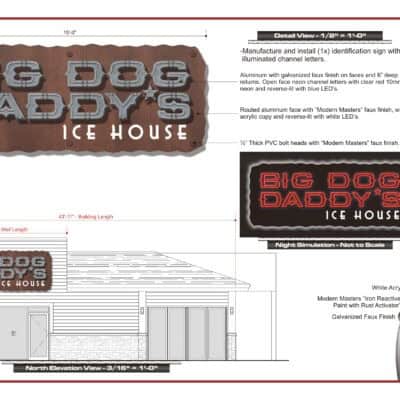
Design isn’t just about what your sign looks like—it’s also about how it’s made. Materials, finishes, and fabrication quality all influence how customers perceive your business. High-quality signage communicates:
- Attention to detail
- Longevity and stability
- Professional standards
On the other hand, signs that appear worn, faded, or cheaply made can undermine trust. Investing in durable materials like aluminum, acrylic, and high-quality lighting ensures your sign maintains its appearance over time. Clean finishes, precise edges, and proper installation all contribute to a polished final result.
Customers may not consciously analyze these details, but they notice the overall impression.
Lighting Enhances Visibility and Trust
Illumination plays a major role in how your signage performs—especially during evenings, early mornings, or overcast weather.
Well-lit signage:
- Improves readability
- Extends visibility hours
- Creates a welcoming atmosphere
- Signals that your business is open and active
Options like front-lit channel letters, halo lighting, or LED displays can elevate your design and make your business stand out. Inconsistent or poor lighting, such as flickering bulbs or dim illumination, can negatively impact perception. It may suggest neglect or lack of attention to detail. Consistent, high-quality lighting reinforces professionalism and reliability.
Placement and Design Work Together
Even the best-designed sign won’t build recognition if it isn’t seen. Placement and design must work together to maximize impact.
Consider:
- Viewing distance and speed of passing traffic
- Angles of approach
- Potential obstructions
- Height and scale of the sign
Design choices should support visibility at those distances. Larger lettering, bolder contrast, and simplified layouts become even more important when customers are viewing your sign from afar. A strong design placed strategically ensures your brand is both seen and remembered.
Emotional Connection Drives Trust
Beyond visibility and readability, great signage creates an emotional response. It makes customers feel something—whether that’s comfort, excitement, curiosity, or confidence.
When your signage reflects your brand’s personality and values, it helps build a connection before any interaction takes place. For example:
- A warm, inviting design can make customers feel welcome
- A sleek, modern sign can inspire confidence in your expertise
- A bold, creative design can spark curiosity and interest
These emotional cues influence behavior. Customers are more likely to trust and engage with businesses that feel aligned with their expectations and preferences.
Consistent Signage Strengthens Long-Term Brand Equity
Over time, consistent and well-designed signage contributes to brand equity—the value your brand holds in the minds of customers. Each time someone sees your sign, it reinforces recognition. Eventually, your signage becomes instantly identifiable, even from a distance. This level of recognition offers several benefits:
- Increased customer trust
- Higher recall when making purchasing decisions
- Stronger competitive positioning
- Greater long-term visibility
Signage isn’t just a short-term marketing tool—it’s a long-term investment in your brand’s reputation.
Common Sign Design Mistakes to Avoid
To maximize the impact of your signage, avoid these common pitfalls:
- Overcomplicating the design with too much text or too many elements
- Using low-contrast colors that reduce readability
- Choosing trendy fonts that quickly become outdated
- Ignoring maintenance, leading to faded or damaged signs
- Inconsistent branding across different signs or locations
Each of these mistakes can weaken recognition and reduce trust. A thoughtful, strategic approach to design ensures your signage works for you—not against you.
Build a Sign Design Strategy That Works
Effective signage design doesn’t happen by chance. It requires a clear understanding of your brand, audience, and environment. Start by asking:
- What message do I want my sign to communicate?
- How do I want customers to feel when they see it?
- Does my signage align with my overall brand identity?
- Is it easy to read and recognize from a distance?
Working with a professional signage company can help bring these elements together into a cohesive design that supports both visibility and brand growth.
Let’s Strengthen Your Brand Presence with Great Sign Design
Your signage is one of the most visible and influential parts of your brand. Thoughtful design can elevate recognition, build trust, and create lasting impressions that bring customers through your doors. From color and typography to materials and lighting, every detail plays a role in how your business is perceived.
At Acura Neon, we specialize in creating custom signage that reflects your brand identity while maximizing visibility and impact. Whether you’re developing new signage or refreshing an existing design, our team is here to help you create signs that not only look great—but also work hard for your business.
Frequently Asked Questions
How much does professional sign design cost?
The cost of sign design varies depending on size, materials, lighting, and complexity. Basic signs can start at a few hundred dollars, while custom illuminated or large-format signs may cost more. It’s best to request a quote based on your specific needs and location requirements.
How long does it take to design and install a sign?
Timelines vary by project, but most custom signs take anywhere from 2 to 6 weeks from design approval to installation. Factors like permitting, fabrication complexity, and material availability can affect the schedule.
Do I need a permit for business signage?
In most cities and municipalities, yes — permits are typically required for exterior business signs. A professional signage company can help you navigate local regulations and handle the permitting process on your behalf.
How often should I update or replace my business signage?
As a general rule, signage should be refreshed every 5 to 10 years, or sooner if your branding changes, the sign shows visible wear, or it no longer reflects your business accurately. Regular maintenance can extend the lifespan of your sign significantly.
Can I keep my existing logo and branding when designing a new sign?
Absolutely. A good signage company will work with your existing brand assets — including your logo, colors, and fonts — to create a sign that feels consistent with your overall identity while maximizing visibility and impact.

Sorry, the comment form is closed at this time.