
22 Jan Interior Signage That Improves Customer Experience: A Complete Guide
When customers walk into your business, their experience begins instantly – long before they speak to an employee or make a purchase. The way your space looks, feels, and functions shapes their perception of your brand. One of the most powerful yet often overlooked tools in creating a positive experience is interior signage.
Interior signage does far more than display information. It guides, reassures, educates, and reinforces your brand identity at every touchpoint. From wayfinding signs to branded wall graphics, thoughtful interior signage can reduce confusion, increase comfort, and encourage customers to stay longer and engage more deeply with your business.
This guide explores how interior signage improves customer experience, the most effective types of interior signs, and how to implement a strategy that supports both your customers and your business goals.
Why Interior Signage Matters More Than You Think
Customers expect spaces to be intuitive. When they can easily navigate your location, understand what you offer, and feel confident about where to go next, their stress levels drop and their trust rises. Interior signage plays a key role in creating that sense of ease.
Clear directional signs, labeled areas, and visual cues help customers move through your space without second-guessing themselves. This not only saves time but also allows them to focus more on your products, services, or overall experience. The result is a visit that feels effortless rather than overwhelming.
Poor or missing signage can lead to frustration, hesitation, and even lost sales. Customers who feel confused may leave sooner than planned or avoid returning altogether. On the other hand, clear, well-designed interior signage shows that your business is organized, professional, and customer-focused.
Interior signs also work continuously, supporting staff by answering common questions and guiding behavior without requiring constant verbal assistance. This creates a smoother experience for everyone involved.
Wayfinding Signage: Making Navigation Effortless
Wayfinding signage is one of the most important elements of interior signage, especially in larger or multi-room spaces. These signs help customers understand where they are, where they need to go, and how to get there with minimal effort.
Directional signs, room identifiers, floor directories, and overhead markers all fall under wayfinding. When done well, wayfinding signage feels almost invisible – customers simply move naturally through the space without stopping to think.
Clear fonts, consistent symbols, and logical placement are essential. Wayfinding signs should be easy to read at a distance and placed at decision points, such as intersections, entrances, elevators, and hallways. Good wayfinding improves accessibility and ensures all visitors feel confident navigating your space.

Informational Signage That Reduces Confusion
Informational signage helps customers understand your business policies, processes, and offerings. This includes signs that explain hours, pricing, procedures, safety guidelines, or next steps.
By providing information proactively, you reduce uncertainty and create a more relaxed environment. Customers appreciate knowing what to expect, whether it’s how long a process will take or where to check in.
Well-designed informational signage should be concise and visually clear. Too much text can overwhelm, while poorly designed signs can be ignored. The goal is to communicate clearly without cluttering your space.
Branding Through Interior Signage
Interior signage is a powerful branding tool. It reinforces who you are and what you stand for every time a customer looks around your space. Logos, brand colors, typography, and messaging all work together to create a cohesive experience.
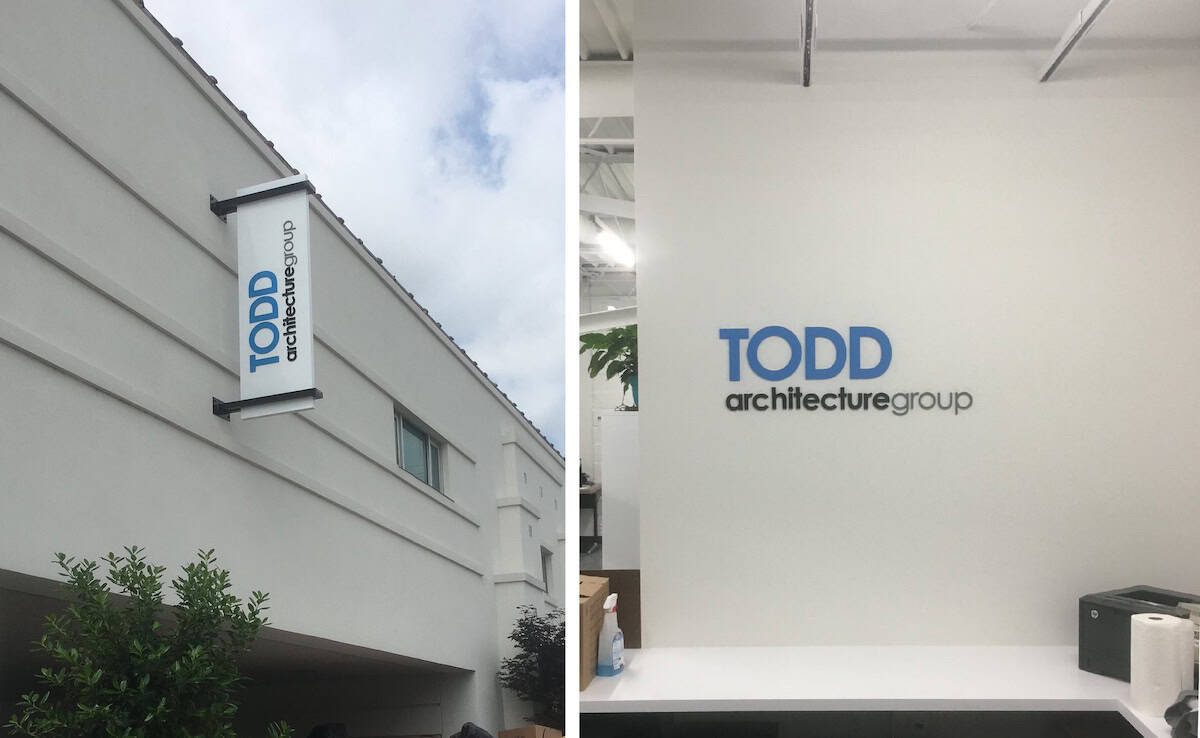
Branded interior signs can include lobby logos, feature walls, dimensional lettering, and custom graphics. These elements help customers connect your physical space with your broader brand identity, strengthening recognition and recall.
Consistent branding also builds trust. When your interior signage aligns with your exterior signage, website, and marketing materials, customers feel confident they’re dealing with a professional, established business.
Experiential Signage That Engages Customers
Modern interior signage goes beyond function, it creates experiences. Experiential signage uses design, storytelling, and visuals to engage customers emotionally and encourage interaction.
Wall murals, environmental graphics, and interactive displays can showcase your story, values, or process. These elements turn blank walls into brand moments and give customers something memorable to connect with.
Experiential signage is especially effective in retail, hospitality, healthcare, and office environments where creating comfort and emotional connection is key. When customers feel engaged, they’re more likely to stay longer, explore more, and return in the future.
Safety and Compliance Signage
Safety signage is a critical part of interior signage and directly impacts customer comfort and confidence. Exit signs, ADA-compliant signage, hazard warnings, and instructional signs ensure your space is safe and accessible for everyone.
Compliance signage must meet specific regulations, but that doesn’t mean it has to clash with your design. Custom signage solutions can integrate safety requirements while maintaining a clean, cohesive look.
Clear safety signage shows customers that you prioritize their well-being, which builds trust and professionalism.
Improving Flow and Reducing Bottlenecks
Interior signage plays a major role in managing traffic flow. Strategic placement of directional and instructional signs helps prevent congestion, especially in high-traffic areas like entrances, waiting rooms, checkout counters, and service desks.
Signs that clearly indicate where to line up, where to wait, or what step comes next keep customers moving smoothly through your space. This reduces frustration and makes the experience feel organized and efficient.
When customers don’t feel rushed or confused, they’re more likely to have a positive overall impression of your business.
Choosing the Right Materials and Design
The materials and finishes you choose for interior signage affect both durability and perception. Acrylic, metal, wood, vinyl, and illuminated options each create a different feel. High-quality materials signal professionalism and longevity, while lower-quality finishes can unintentionally cheapen the overall impression of your space.
Durability is especially important in high-traffic areas where signs may be touched or cleaned frequently. Choosing the right materials ensures your signage continues to look polished over time.
Your design should align with your brand personality. A modern business might favor clean lines and sleek finishes, while a warm, community-focused brand might use softer colors and natural materials. Consistency across all interior signs helps reinforce brand recognition and creates a cohesive environment.
Lighting is another important consideration. Illuminated signs can improve visibility and add sophistication, especially in low-light environments. Backlit or halo-lit signage can also create visual interest and guide attention to key areas.
Custom Interior Signage vs. Generic Signs
Generic signage may solve basic needs, but custom interior signage elevates the entire customer experience. Custom signs are designed specifically for your space, your brand, and your audience. This level of customization ensures your signage feels intentional rather than an afterthought.
It also allows you to address unique layout challenges or customer flow patterns that off-the-shelf signs can’t accommodate. The result is a space that feels thoughtfully designed from entry to exit.
They allow for better integration with your interior design and ensure consistency across all touchpoints. Custom signage also communicates care and attention to detail, which customers notice – even if they can’t quite articulate why the space feels better.
Creating a Cohesive Interior Signage Strategy
The most effective interior signage works as a system, not a collection of random signs. A cohesive strategy ensures consistency in design, messaging, and placement throughout your space.
Start by identifying customer touchpoints and common pain points. Where do people hesitate? Where do they ask questions? Where does confusion arise? Your signage should address those moments directly.
Working with a professional signage partner can help ensure your interior signage is functional, compliant, visually appealing, and aligned with your business goals.
Ready to Elevate Your Interior Experience?
Interior signage has the power to transform how customers experience your business – from their first step inside to the moment they leave. Thoughtful design, clear messaging, and consistent branding all work together to create a space that feels welcoming, intuitive, and memorable.
If you’re ready to enhance customer experience and strengthen your brand from the inside out, At Acura Neon, professional signage solutions can help bring your vision to life. Reach out today to learn more!

Sorry, the comment form is closed at this time.